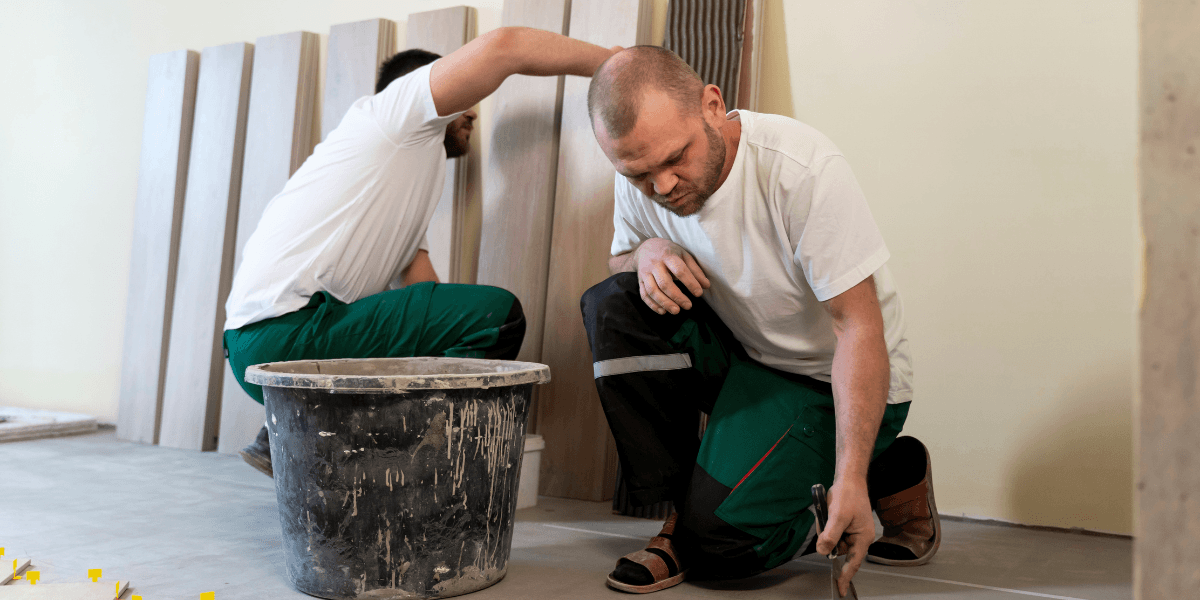
If you have invested in a beautiful stone or concrete floor, whether it is a sleek polished concrete living area, a classic travertine entryway, or a timeless marble bathroom, you already know that the surface itself is a significant investment.
But here is something many Pensacola homeowners and business owners overlook: the floor you installed is only as good as the protection you put on it. Skipping the sealant is not just a minor oversight. It is a decision that can cost you significantly in repairs, replacements, and frustration down the road.
So, why should you seal stone floors, and what makes it such a big deal? Let us walk through everything you need to know!
What Makes Stone and Concrete So Vulnerable?
Before diving into the benefits of sealing, it helps to understand why these materials need protection in the first place. Both natural stone and concrete are porous by nature, filled with microscopic openings that allow liquids, oils, dirt, and contaminants to work their way into the material over time.
Think about what a Pensacola home or commercial space goes through daily: humidity, tracked-in moisture, cooking spills, and foot traffic. Without a protective barrier, every one of those events is an opportunity for damage to penetrate below the surface where cleaning simply cannot reach.
Natural stone types such as marble, limestone, slate, and travertine are particularly susceptible because their porous structure absorbs moisture rapidly. Concrete, while denser, is equally vulnerable to staining, moisture intrusion, and surface deterioration. The importance of floor sealant, therefore, cannot be overstated; it is the first and most critical line of defense for your floor.
The Core Benefits of Sealing Your Stone and Concrete Floors
Understanding the natural stone and concrete floor sealing benefits goes beyond just protecting against stains. Sealing is a holistic approach to floor care that impacts appearance, longevity, hygiene, and overall property value.
It Blocks Moisture and Prevents Mold
In Pensacola’s humid Gulf Coast climate, moisture management is not optional; it is essential. When concrete or stone floors are left unsealed, moisture seeps through the pores, creating ideal conditions for mold and mildew growth. Once mold takes hold beneath a surface, it becomes extremely difficult and expensive to remediate.
A quality sealant creates a moisture barrier that prevents water from penetrating surfaces, vital in bathrooms, kitchens, and outdoor patios where water exposure is constant.
Stain Resistance That Actually Works
If it is red wine, cooking oils, pet accidents, or industrial fluids, unsealed surfaces absorb spills almost instantly. The porous structure of both concrete and stone draws moisture deep into the material, where it oxidizes and permanently discolors the floor.
A sealed floor gives you a window of time. Spills bead up on the surface rather than soaking in, allowing you to wipe them away without a trace. For households with children, pets, or high foot traffic, this is not just a convenience; it is a game-changer.
Protection Against Cracking, Chipping, and Surface Wear
Heavy foot traffic, dropped objects, and repeated cleaning all put stress on your floors. Over time, unprotected surfaces develop chips, cracks, and worn areas that detract from their appearance and structural integrity.
Sealants protect the floor by reducing impact and friction. Rather than the stone or concrete itself taking the brunt of wear, the sealant layer degrades first, and sealant is far less expensive to reapply than it is to repair or replace a damaged floor.
Enhanced Appearance and Long-Term Shine
What was once a vivid, polished surface gradually becomes lifeless and flat without protection. UV radiation, cleaning chemicals, and daily abrasion slowly strip away the surface finish. Sealing your floors preserves and often enhances color depth and sheen. Many sealants come in matte and gloss finishes to match your space’s aesthetic.
The Guide To Sealing All Types of Natural Stone Floors: Not All Stone Is the Same
One of the most important things to recognize is that not all natural stone requires the same sealing approach. This comprehensive natural stone sealing guide accounts for the unique porosity, texture, and mineral composition of each stone type.
Here is a quick breakdown of how different stones respond to sealing:
- Marble: Highly porous and susceptible to acid etching. Requires a penetrating impregnating sealer and more frequent reapplication.
- Travertine: Has natural voids that must be filled and sealed to prevent dirt accumulation and moisture intrusion.
- Limestone: Very soft and absorbent; benefits greatly from aggressive sealing.
- Slate: Naturally denser but still benefits from sealing to enhance color and prevent flaking.
- Granite: Relatively dense but still requires sealing, especially in kitchen environments where oils and acids are common.
Choosing the wrong sealant for your stone can cause discoloration, streaking, or peeling. That’s why working with experienced professionals is so important. If you are unsure what your floor needs, our team at Elite Stone Services, Inc. offers trusted natural stone services backed by hands-on expertise serving the Pensacola area. Reach out for a professional assessment customized for your specific flooring material!
Timing Is Everything
Knowing when to seal stone floors is just as important as the sealing itself. Seal too late, and the damage may already be done.
New Installations
For brand-new stone or concrete floors, sealing should happen as soon as the installation is complete and the surface has fully cured. Concrete typically needs at least 28 days after the pour to reach full cure strength. For natural stone, grout lines should be fully set and cleaned before sealing begins; both the tile and the grout benefit from protection from day one.
Existing Floors
If your existing floor was never sealed or has not been resealed in several years, now is the time. Signs that your floor needs attention include:
- Water no longer beads on the surface but soaks in quickly
- Visible staining that cannot be removed by routine cleaning
- A dull or lackluster appearance despite regular maintenance
- Grout lines that appear dark or discolored
A simple water test can confirm whether the seal is still active. If water absorbs into the surface within a few minutes, the sealant has worn down, and it is time to reseal.
Resealing Frequency
Even the best sealants wear down over time. For most residential applications, floors should be resealed every two to five years, depending on foot traffic and sealant type. High-traffic commercial floors need frequent resealing, which is more cost-effective than waiting for visible damage.
Types of Sealants: What Goes on Your Floor Matters
Not every sealant is created equal, and understanding your options is part of taking floor care seriously.
- Penetrating (Impregnating) Sealers: These penetrate the pores and form a chemical barrier beneath the surface without altering the floor’s appearance. Ideal for natural stone.
- Topical Sealers: Applied to the surface, creating a physical protective film available in matte, satin, and high-gloss finishes. Commonly used on decorative or stained concrete.
- Integral Sealers: Mixed directly into concrete before it is poured, providing built-in protection from the moment the slab is laid.
Using the wrong product can do more harm than good, so a professional evaluation of your floor type, location, and use case is always the most reliable approach.
Frequestly Asked Questions
1. How do I know if my stone floor needs to be sealed?
The water drop method works well. Place a small amount of water on the floor surface and watch for a few minutes. If it beads up, the seal is intact; if it soaks in and darkens, it’s time to reseal. Visible staining and grout discoloration also indicate this.
2. Can I seal my floors myself, or should I hire a professional?
DIY sealant products exist, but professional sealing ensures the right product is chosen for your floor type, the surface is properly prepared, and the application is even. Incorrect application can lead to streaking, peeling, or premature wear, especially with natural stone.
3. Does sealing change the look of my floor?
It depends on the sealant. Penetrating sealers are invisible and preserve their natural appearance. Topical sealers add sheen ranging from matte to high-gloss. A professional can help you choose the finish that best matches your aesthetic goals.
4. How long does the sealing process take?
Most residential sealing jobs can be completed in a single day. The sealant then requires a curing time before the floor can be exposed to heavy traffic or moisture. Your service provider will provide specific guidance based on the product you use.
5. Is sealing necessary for outdoor stone or concrete surfaces?
Absolutely. Outdoor surfaces face UV radiation, rain, temperature fluctuations, and algae. Without sealing, outdoor floors deteriorate faster and can become slippery and unsafe. Sealing outdoor surfaces is arguably even more critical than sealing indoor ones.
Final Thoughts
Sealing your stone or concrete floor is essential for responsible ownership. It prevents moisture, mold, and stains while also preserving long-term curb appeal, with clear, documented benefits. If it’s installing a new surface or protecting an existing one that has been left unsealed, addressing the seal is one of the most intelligent investments for your property.
If you want to increase the lifespan and aesthetic value of your property, trust the concrete specialists at Elite Stone Services, Inc. Our team offers expertise, the right products, and a genuine commitment to protect your investment. Contact us today and give your floors the protection they deserve!