Summary
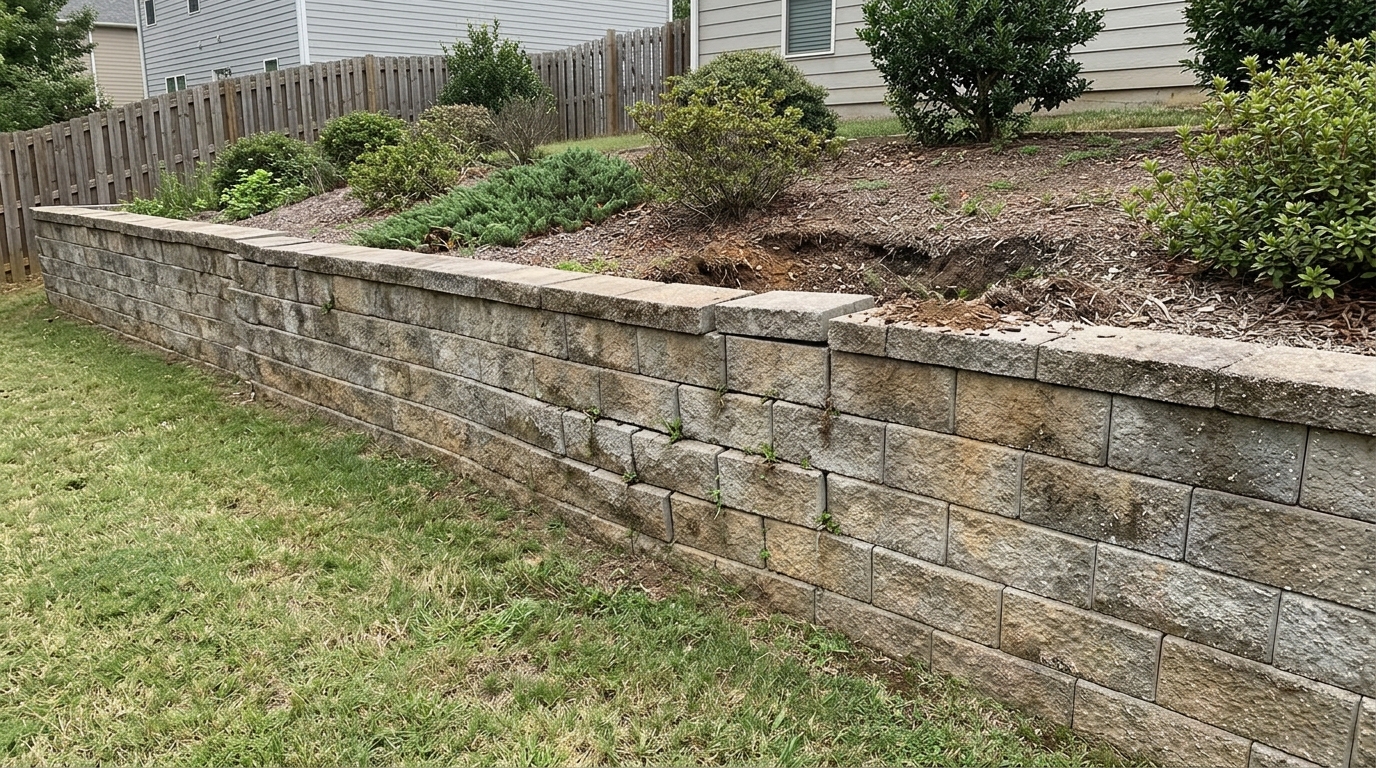
Spotting early signs of retaining wall failure, including leaning, cracking, bulging, drainage problems, and soil movement, helps you address structural concerns before they grow more severe. Regular visual inspections, proper drainage, timely repairs, and professional evaluations can pinpoint the cause of movement and protect the surrounding property.
A retaining wall can look stable for years and then begin showing subtle changes that point to a larger problem. Cracks, leaning, bulging, drainage issues, and shifting soil can all indicate that a wall is struggling to handle pressure. Catching these warning signs early helps you avoid greater harm to the wall and nearby property. Knowing what to look for during routine inspections makes it easier to recognize developing problems and decide when to call a professional.
Signs a Retaining Wall Is Failing
· Leaning or Tilting
A retaining wall that no longer stands close to its original position deserves attention. A noticeable lean can indicate that soil pressure behind the wall is pushing the structure forward. Poor drainage can increase this pressure by allowing water to collect behind the wall.
· New or Growing Cracks
Small surface cracks don’t automatically mean failure, but new cracks deserve inspection. Pay particular attention to cracks that grow longer, wider, or more numerous. Cracks that appear alongside movement, separation, or bulging can indicate increasing stress.
· Bulging Sections
When one section pushes outward, pressure may be building behind it, or the wall itself may be deteriorating. Bulging can become more noticeable after heavy rainfall because saturated soil can place additional force against the structure.
· Separation Between Sections
Segmented walls depend on individual units working together. Gaps between blocks, shifted sections, or uneven areas can signal movement.
| Severity Level | Signs of Retaining Wall Failure | Possible Action |
| Low | Small surface cracks, minor erosion, or slight discoloration | Monitor the area and check for changes over time |
| Moderate | Growing cracks, drainage problems, displaced blocks, or soil movement | Schedule a professional inspection and address drainage or structural concerns |
| High | Noticeable leaning, bulging, separated sections, or significant soil loss | Arrange prompt professional evaluation and repair |
| Severe | Major movement, pronounced leaning, large cracks, extensive bulging, or signs of imminent collapse | Keep people away from the area and seek immediate professional assessment |
Warning Signs for Retaining Wall Failure
Some retaining wall failure warning signs deserve faster attention because they can indicate progressing movement. Standing water near the wall, blocked drainage outlets, soil washing through joints, and repeated erosion are important clues. Pooled water is especially concerning when drainage features stop working properly.
Watch the ground above the wall too. New depressions, sinking areas, exposed roots, or soil that repeatedly shifts toward the wall can point to changes behind the structure. A fence, walkway, patio, or other feature near the top may also shift if supporting soil is moving.
Causes of Retaining Wall Bulging and Cracking
Builders design retaining walls to resist lateral soil pressure, but several conditions can increase that pressure or weaken the structure.
· Poor Drainage
Water is one of the biggest concerns around retaining walls. When drainage behind a wall falls short, water can accumulate in the retained soil. Saturated soil becomes heavier and can increase pressure against the wall.
· Soil Movement
Soil changes with moisture, weather, grading, and nearby construction. Unstable soil can shift behind a wall and create additional pressure. Erosion can also remove supporting material and leave portions of the structure less stable.
· Improper Construction
Problems with the foundation, backfill, drainage, reinforcement, or overall design can create weaknesses. Over time, repeated pressure can reveal them through leaning, cracking, separation, or settlement.
· Added Weight Above the Wall
Heavy loads near the top can increase force against a retaining wall. Structures, vehicles, stored materials, or large landscape features can change the conditions the builder originally designed the wall to handle.
What to Check During a Visual Inspection
Start at the bottom of the wall and work upward, looking closely at cracks, displaced blocks, leaning sections, missing material, and signs of erosion. Check drainage outlets for blockage, and look for water stains, damp areas, or places where water repeatedly collects near the wall. These details can reveal changes that may not be obvious from a distance. Pay special attention to areas that appear different from the rest of the structure or show signs of recent movement.
Next, inspect the soil directly above and behind the wall. Look for sinking areas, exposed roots, shifting soil, or new gaps near the top edge. Comparing the current condition with older photographs can help identify gradual changes. Avoid pushing, pulling, dismantling, or digging around a visibly unstable wall. Disturbing the structure or surrounding soil can increase movement and make an existing problem more difficult to address.
When to Repair a Retaining Wall
Repair timing depends on the type and progression of the damage. Minor surface imperfections may only require monitoring, but active movement, significant cracking, bulging, drainage failure, separated sections, or substantial soil loss deserve prompt attention. Don’t treat changes that continue to worsen as simple cosmetic concerns, because they may indicate pressure or instability behind the wall.
A professional evaluation can determine if the structure needs localized repairs, reinforcement, rebuilding, or replacement. Fixing only visible damage may leave underlying drainage, soil, or foundation concerns unresolved. If your home also features travertine floors, Elite Stone Services, Inc. offers professional travertine floor restoration to keep your interior stone surfaces clean and well maintained.
Why Drainage Matters So Much
A retaining wall does more than hold soil in place. It also has to withstand water moving through the surrounding soil. Proper drainage can help control moisture and reduce the pressure against the back of the structure. When water can’t drain away, saturated soil becomes heavier and creates additional force against the wall, which contributes to movement or deterioration over time.
Blocked outlets, damaged drainage materials, poor grading, and uncontrolled runoff can all contribute to moisture-related problems. Water stains, muddy areas, erosion, or repeated pooling near the wall can provide useful clues during an inspection. If a wall develops new cracks, leaning, bulging, or movement, look at drainage first, since correcting water management often forms an important part of the repair.
When Professional Inspection Makes Sense
Professional inspection becomes particularly important when a retaining wall is visibly leaning, has substantial cracks, shows pronounced bulging, has separated sections, or appears to be moving. These conditions can indicate that the wall is experiencing pressure beyond what it can safely handle. Prompt attention can help identify the underlying issue before damage spreads to nearby soil, landscaping, walkways, or other property features.
A thorough inspection looks at more than the wall itself. The surrounding soil, drainage system, nearby loads, foundation conditions, erosion patterns, and visible movement can all provide important information. A professional can assess how these factors interact and determine an appropriate course of action. This approach helps distinguish surface damage from problems that may require structural repairs or more extensive corrective work.
Preventing Future Retaining Wall Problems
After a repair or rebuild, routine observation can help you catch changes before they become more serious. Keep drainage outlets clear, control runoff, and watch for erosion around the structure. Check for new cracks, shifting blocks, leaning, standing water, or soil movement during regular property maintenance. Avoid adding significant loads close to the top of the wall without considering how they may affect the structure.
Long-term maintenance should focus on underlying causes as well as visible symptoms. Replacing a cracked block may improve the appearance, but lasting results can require attention to drainage, soil conditions, movement, and structural support. Keeping the surrounding area properly graded and addressing water problems early can also help reduce unnecessary pressure. Regular observation makes it easier to notice gradual changes and arrange professional attention when needed.
FAQs
How long do retaining walls last?
The service life of a retaining wall depends on its materials, construction, drainage, soil conditions, maintenance, and exposure. A properly designed and maintained wall can remain functional for many years, while poor drainage or structural issues can shorten its useful life.
Is a leaning retaining wall always failing?
Not every slight change means immediate collapse, but never ignore a noticeable or increasing lean. Leaning can indicate movement behind the wall, drainage problems, soil pressure, foundation issues, or another structural concern.
What causes a retaining wall to bulge?
Bulging can result from increasing soil pressure, trapped water, soil movement, inadequate support, construction problems, or deterioration. A professional should identify the specific cause before choosing a repair method.
Should you repair a cracked retaining wall immediately?
Urgency depends on the location, size, progression, and surrounding symptoms. Growing cracks, or cracks that show up alongside movement, drainage problems, or bulging, deserve prompt professional attention instead of simple cosmetic repair.
Can a retaining wall collapse without warning?
Some walls deteriorate gradually while others can experience sudden movement after conditions change. Regular inspections can help you spot visible warning signs, but always treat a visibly unstable wall as a serious concern.
Conclusion
A retaining wall rarely becomes a serious concern without showing some change first. Leaning, bulging, cracking, separation, drainage problems, and soil movement can all provide clues that something is wrong.
When warning signs appear, avoid disturbing the wall and arrange an evaluation. A proper assessment can help identify the source of movement and determine an appropriate repair approach.
Once you resolve any retaining wall concerns, you can turn to the other stone surfaces around your property. Contact Elite Stone Services, Inc. for professional marble floor polishing in Pensacola to restore a clean, polished finish to your marble floors.