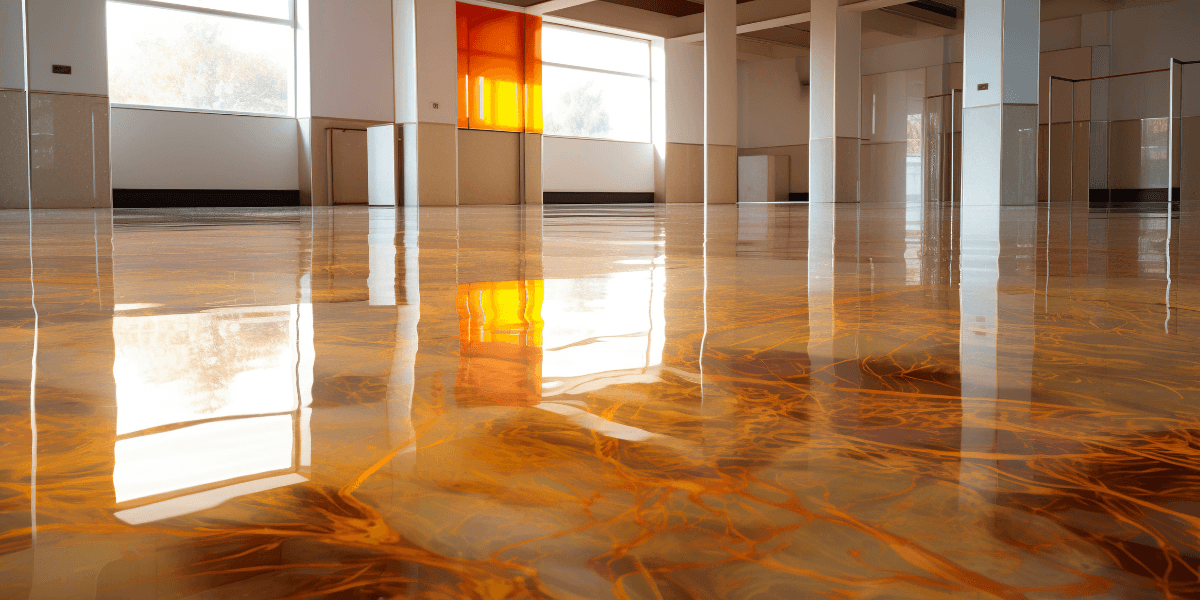
If you’ve been thinking about upgrading your floors in Pensacola, chances are you’ve come across epoxy flooring. It’s showing up in garages, restaurants, retail spaces, and even living rooms. But the big question is: is it the right fit for you? Regardless of whether you’re a homeowner revamping your kitchen or a business owner looking for a durable, low-maintenance solution, this guide will help you make the right decision.
What Is Epoxy Flooring?
Epoxy is a type of plastic made by mixing resin and hardener. When applied over a prepared surface, typically concrete, the two components undergo a chemical reaction, producing a rigid, durable substance that bonds tightly to the floor.
One key distinction: for a flooring system to qualify as true epoxy flooring (rather than epoxy paint), the applied layer must be at least 2 mm thick. Anything thinner won’t deliver the same durability or performance benefits.
How the Installation Process Works
Installing epoxy flooring isn’t a simple paint-and-go job. The concrete beneath must be properly prepared, often through grinding, shot-blasting, or scarifying, for the epoxy to adhere correctly. Decorative elements like vinyl flakes, quartz aggregates, or metallic pigments can be added before curing, opening the door to a wide variety of visual finishes.
The Core Benefits of Epoxy Flooring
So, what makes epoxy such a popular choice? There are quite a few compelling reasons why homeowners and business owners in Pensacola are choosing it over traditional tile, hardwood, or carpet.
1. Exceptional Durability
One of the most talked-about benefits of epoxy flooring is just how tough it is. Epoxy coatings are significantly stronger than standard concrete sealers or paint treatments, handling heavy foot traffic, dropped tools, and chemical spills without showing signs of wear, ideal for garages, warehouses, and commercial kitchens.
2. Low Maintenance
Epoxy creates a seamless, non-porous surface where dirt, bacteria, and moisture have nowhere to accumulate. Day-to-day cleaning is simple:
- Sweep or vacuum to take out the dust and debris.
- Mop using warm water with a gentle cleanser for a thorough clean.
- Avoid using soap-based detergents because they may leave a cloudy film.
It requires no waxing, sealing, or extensive upkeep, making it ideal for busy spaces.
3. Impressive Visual Appeal
Modern decorative epoxy floors come in a wide range of colors, patterns, and finishes, from solid high-gloss looks to metallic swirls and flake finishes that resemble terrazzo. Epoxy’s reflective surface can also brighten up a space considerably, a genuine bonus for dimly lit basements or commercial showrooms.
4. Cost-Effectiveness Over Time
While the upfront investment may be higher than some alternatives, epoxy is very cost-effective over the long haul. Its durability means years without replacement, and reduced maintenance translates directly to lower ongoing costs. For businesses, the seamless surface also reduces wear and tear on wheeled equipment, cutting repair expenses over time.
5. Safety Features
Epoxy flooring can be formulated with anti-slip additives, making it safer underfoot in moisture-prone areas. It’s also resistant to fire and heat in its cured form. Unlike some coatings that emit harsh VOCs long after installation, epoxy has a mild, short-lived odor, making it a more health-conscious choice for indoor spaces.
Is Epoxy Flooring Good for Homes?
When you weigh everything up, epoxy flooring makes a compelling case for both homes and businesses. If you’re wondering, is epoxy flooring good for your property? Its durability, low maintenance, visual flexibility, and cost savings make it the clear choice. If it’s upgrading a damp basement or refreshing a busy commercial floor, epoxy provides reliable, attractive results when installed correctly.
Best Rooms for Epoxy Flooring
- Garages: Handles oil spills, tire marks, and heavy loads with ease.
Basements: Moisture resistance makes it ideal for below-grade spaces. - Kitchens: Seamless surface prevents food and moisture from getting trapped.
- Bathrooms: Durable an d hygienic with the right anti-slip additive.
- Laundry Rooms: Resistant to water and chemical exposure from detergents.
Potential Drawbacks to Consider
While epoxy has a lot going for it, a few limitations are worth knowing:
- Hardness underfoot: Less comfortable for prolonged standing than softer flooring.
- Slipperiness when wet: Standard epoxy can become slick; always request an anti-slip finish for wet areas.
- Surface preparation sensitivity: Poorly prepared concrete can lead to delamination or bubbling over time.
- UV sensitivity: Some formulas yellow with prolonged sun exposure; UV-stable topcoats are recommended for sunlit areas.
If you’re planning a complete home flooring transformation, you may also consider natural stone services instead of epoxy. Elite Stone Services, Inc., can help you determine whether stone, epoxy, or a combination of both best suits your home. Get in touch with us to learn more!
Epoxy vs Polished Concrete: Which One Is Right for You?
A common dilemma for homeowners and business owners is epoxy vs polished concrete. Both are durable and low-maintenance, but they differ in meaningful ways.
Polished concrete is done by grinding and polishing to achieve a shiny, natural look. It is ideal for those who like an industrial style, but it provides fewer options for customization. Epoxy flooring over existing concrete offers greater customization, including a wider range of colors, designs, and anti-slip options, as well as improved chemical resistance.
For most residential and light commercial applications, epoxy offers a better balance of cost, customization, and performance. Polished concrete may be preferable where a purely concrete aesthetic is the goal.
Epoxy Flooring for Commercial Spaces
If you’re a business owner in Pensacola, epoxy flooring deserves serious consideration. If you run a restaurant, retail store, auto shop, warehouse, or medical facility, the advantages are hard to ignore:
- Traffic resilience: Withstands constant foot and vehicle traffic.
- Chemical resistance: Handles spills of oils, solvents, and cleaning agents.
- Hygiene: The non-porous surface supports sanitary conditions, critical for food service and healthcare.
- Brand customization: Incorporate brand colors or logos directly into the floor design.
- Reduced downtime: Relatively fast installation and curing minimize business disruptions.
That said, the installation area must be free of moisture-related issues, and high-traffic areas may require periodic recoating after years of use. Professional surface preparation is essential for lasting results.
A Quick Epoxy Flooring Guide for Homes and Businesses
To help you navigate the decision, here’s a streamlined epoxy flooring guide for homes and commercial spaces:
- Assess your space: Identify traffic levels, moisture, aesthetics, budget, and material preferences.
- Choose the right type: Solid color, metallic, flake or chip, and quartz-broadcast systems each provide unique aesthetics and serve diverse functional purposes in various applications.
- Prepare your substrate: Identify and resolve any existing cracks, moisture problems, or contamination on the surface thoroughly before starting the installation process.
- Select a finish: Choose from high-gloss, satin, or matte finishes, and always incorporate anti-slip grit for enhanced safety in wet areas.
- Work with professionals: Proper mixing ratios, application thickness, and curing conditions make all the difference.
FAQs
1. How long does epoxy flooring typically last?
With proper installation and maintenance, it can last 10 to 20 years in residential settings. Regular cleaning and occasional recoating can extend its lifespan further.
2. Can epoxy flooring be installed over existing tile or wood?
Epoxy performs best over concrete. If you have tile or wood floors, your installer will likely recommend removal first for proper adhesion and long-term performance.
3. Is epoxy flooring slippery?
Standard epoxy surfaces tend to become slippery when wet, posing safety concerns. Adding anti-slip materials like aluminum oxide or quartz grit into the topcoat significantly improves traction, minimizing the chance of slips and falls.
4. Is epoxy flooring suitable for outdoor use?
Standard epoxy isn’t well-suited for outdoor use because it is sensitive to UV rays, which can degrade its quality over time. Nevertheless, applying UV-resistant polyaspartic or polyurethane topcoats can protect it, making it suitable for covered outdoor spaces like patios.
5. Does epoxy flooring add value to a home?
Yes, particularly in garages and basements, epoxy is seen as a desirable upgrade by many homebuyers. A clean, durable floor finish contributes to the overall perceived value of the property.
Final Thoughts
When you weigh everything up, epoxy flooring makes a compelling case for both homes and businesses. Its combination of durability, low maintenance, visual flexibility, and long-term cost savings is hard to match. If you’re upgrading a damp basement or refreshing a busy commercial floor, epoxy delivers reliable, attractive results when installed correctly. Of course, it’s not a one-size-fits-all solution. The key is understanding your specific needs and conditions before committing.
If you’re ready to explore your options, Elite Stone Services, Inc. offers a team of trusted concrete specialists serving the Pensacola area. From epoxy installations to premium floor finishes, we have the expertise to do the job right. Contact us today to discuss what suits your home or business!